

Why Blue-Green Algae is Dangerous and Where It’s Found in Minnesota
If you've ever been near a body of water and noticed some nasty-looking stuff floating in it, that may have been blue-green algae. You can find blue-green algae all over Minnesota, but it has become more and more common over the past few years.
ALSO READ: The Really Strange Fishing Technique That's Illegal in Minnesota
What is Blue-Green Algae?
Fun fact, blue-green algae isn't actually algae. I know, confusing. Algae are typically good for the environment. Blue-green algae, however, are actually "types of bacteria called cyanobacteria," according to the Minnesota DNR.

Blue-green algae "thrives in warm, nutrient-rich water" and can form very quickly. It can also produce toxins that can make you and your pets sick.
How Does Blue-Green Algae Form?
The Minnesota Pollution Control Agency told KARE 11 the blue-green algae blooms pop up when the temperatures are warm enough and the water becomes "overloaded with nitrogen and phosphorus from farms, stormwater runoff, and other sources."

What Does Blue-Green Algae Look Like?
Blue-green algae are described as "looking like pea soup or spilled green paint".

The Minnesota DNR writes that it's hard to tell just from looking at it if it's toxic or not so if you're unsure, it's better to just stay out of the water.
How is Blue-Green Algae Dangerous?
There are different ways that the toxins in blue-green algae can affect you.
If you accidentally (or, for some reason, intentionally) drink water that's contaminated with blue-green algae, you have the highest risk of getting sick. Doing any sort of activity that involves being in and touching the water is the next highest risk for illness.
Things like kayaking, canoeing, etc., are safer but still carry some risk. If you stay in a boat and/or you're fishing, that's the lowest risk. Of course, your best bet at not getting sick is to just stay away in general.
How to Prevent Blue-Green Algae
Seeing that picture above of the crane walking in the toxic water makes me so sad. The water that he eats from and drinks from is toxic, and he may not know it until it's too late.
So, how can we prevent these massive blue-green algae blooms?

Blue-green algae blooms are a normal part of the lake environment, but the intensity and frequency of blooms can be managed with our help.
The Minnesota DNR says the best thing we can do is reduce "the amount of phosphorus and nitrogen from man-made sources such as lawn fertilizer, and runoff from cities, cultivated fields, feedlots, and a myriad of other sources."
TLDR: Use less, if any, fertilizer. It can make a huge difference!
Where is Blue-Green Algae in Minnesota?
Blue-green algae blooms can form anywhere in Minnesota. If it's been tested and confirmed that it is actually blue-green algae and toxic to humans and pets, that's when beaches usually get closed, at least for the time being.
If you find something that you think may be blue-green algae, you can take pictures and report it to the Minnesota DNR using an app called bloomWatch. You can also use it to see where possible blooms have been reported.
As of writing this, here's where blue-green algae blooms have been reported in Minnesota this summer:
North Browns Lake in Eden Lake Township - reported 6/4/25 - cyanobacteria (blue-green algae) suspected
Ann Lake near Kanabec Township - reported 6/18/25 - cyanobacteria (blue-green algae) suspected
Lake Tetonka in Waterville - reported 6/23/25 - cyanobacteria (blue-green algae) suspected
Grindstone Lake in Sandstone - reported 6/28/25 - under review (as of 7/8/25)
Krons Bay Horseshoe Lake in Richmond- reported 6/28/25 - cyanobacteria (blue-green algae) suspected
North Center Lake in Center City - reported 7/2/25 - under review (as of 7/8/25)
Richardson Lake in Forest City - reported 7/5/25 - under review (as of 7/8/25)

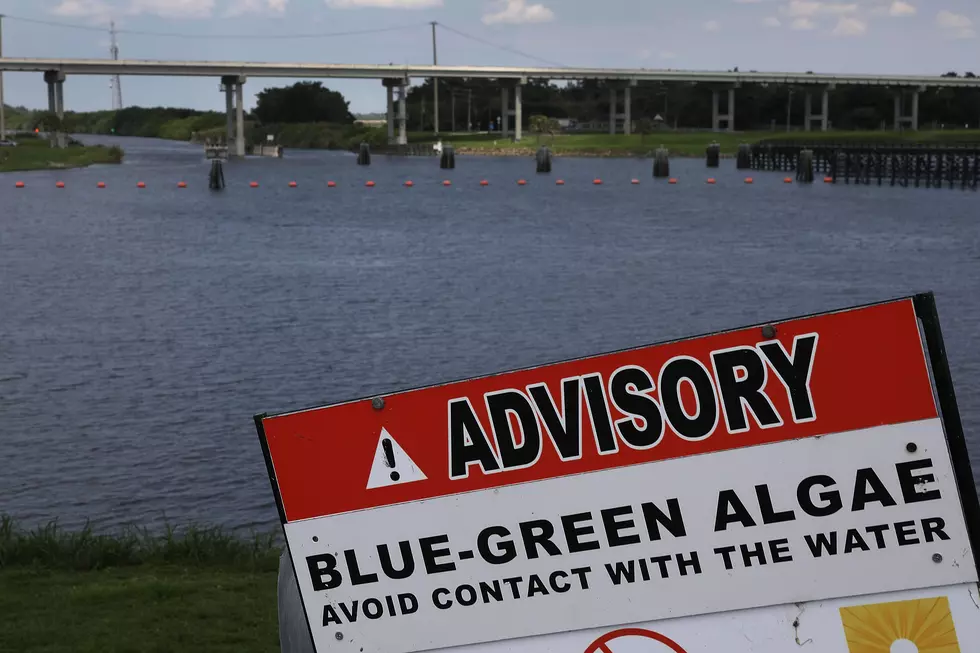
If there's a lake you plan to go to, it's not a bad idea to check the town's website, the DNR, and/or the bloomWatch app to see if there have been any blue-green algae blooms reported. A sign is also typically posted at the beach if there is a bloom of blue-green algae.
The Most Dangerous Plants in Minnesota You Should Never Touch
Gallery Credit: Carly Ross
More From 106.9 KROC-FM