

Minnesota Has a Warning About Those Leaves in Your Gutters
Minnesota's fall colors are gorgeous, but those colorful leaves can cause problems long after they hit the ground. Now, state officials have a warning about what happens when those leaves pile up in an unexpected place, and why it could affect the water we all depend on.
Minnesota's Fall Colors Are Peaking Across the State
One of the best parts of living here in the North Star State is Mother Nature's gorgeous views for us every fall when the leaves change color and start falling. And, even though we're past the peak time to check out those fall colors throughout much of our fair state, according to the most recent fall color monitor from the Minnesota Department of Natural Resources, there are still some brilliant displays out there.
While we're likely all familiar with the brilliant orange and red hues on the leaves of maple trees each fall, deeper red and black colored leaves are usually found on oak and sumac trees. The National Weather Service notes that purple and burgundy colored leaves can be seen on green ash and white oak trees. Leaves of hickory trees turn a rich gold, while brilliant yellow colored leaves are common to elm, white ash, birch, and aspen trees on Minnesota's slopes and ridgetops.
ALSO INTERESTING: Rochester's Seasonal Parking Restrictions Are Set to Start This Weekend
All those brilliantly colored leaves eventually fall, however, covering much of Minnesota's yards, sidewalks, boulevards and roads. But it's when those leaves collect in gutters on streets across the state that has caused the Minnesota Pollution Control Agency (MPCA) to issue a warning: All those leaves could be harming our drinking water.
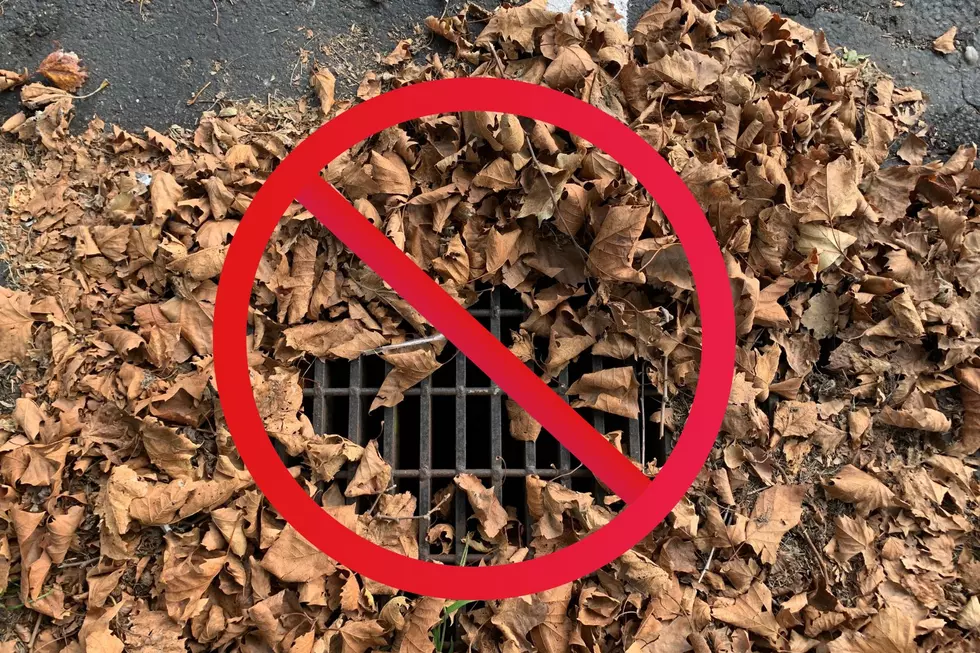
Why Leaves in Minnesota's Gutters Can Harm Water Quality
It's all about balance, the MPCA notes. Because while decomposing leaves is a good thing for Minnesota's soil, in the fall too many leaves often get into our lakes and streams and then cause problems:
When leaves fall on streets, sidewalks, and other hardscapes in urban areas, they wash into municipal stormwater systems and end up in lakes and rivers where the leaves' nutrients feed algae growth. The algae then decompose and use up oxygen that fish and native plants need.

The MPCA goes on to say that when leaves from whole cities or neighborhoods wash into a lake, river, or stream through a storm sewer system, the volume of organic matter they create can quickly overwhelm that body of water, leading to poor water quality.
What Minnesota Homeowners Should Do With Fall Leaves
According to a recent survey, the MPCA said that just under 45 percent of lakes it looked at throughout Minnesota didn't meet water quality standards due to excess nutrients likely caused by all those leaves.
So, to help preserve our water quality here in the Land of 10,000 Lakes, the MPCA says you should rake those leaves that have accumulated in the street near your house so they're not washed into the gutter. And, seeing as it's illegal to throw yard waste (like leaves) away with your regular garbage in Minnesota, the MPCA says composting them by yourself or taking them to a city-wide compost site is the best option.
BUCKET LIST: 18 Things To Do in the Fall in Minnesota
Gallery Credit: Jessica On The Radio